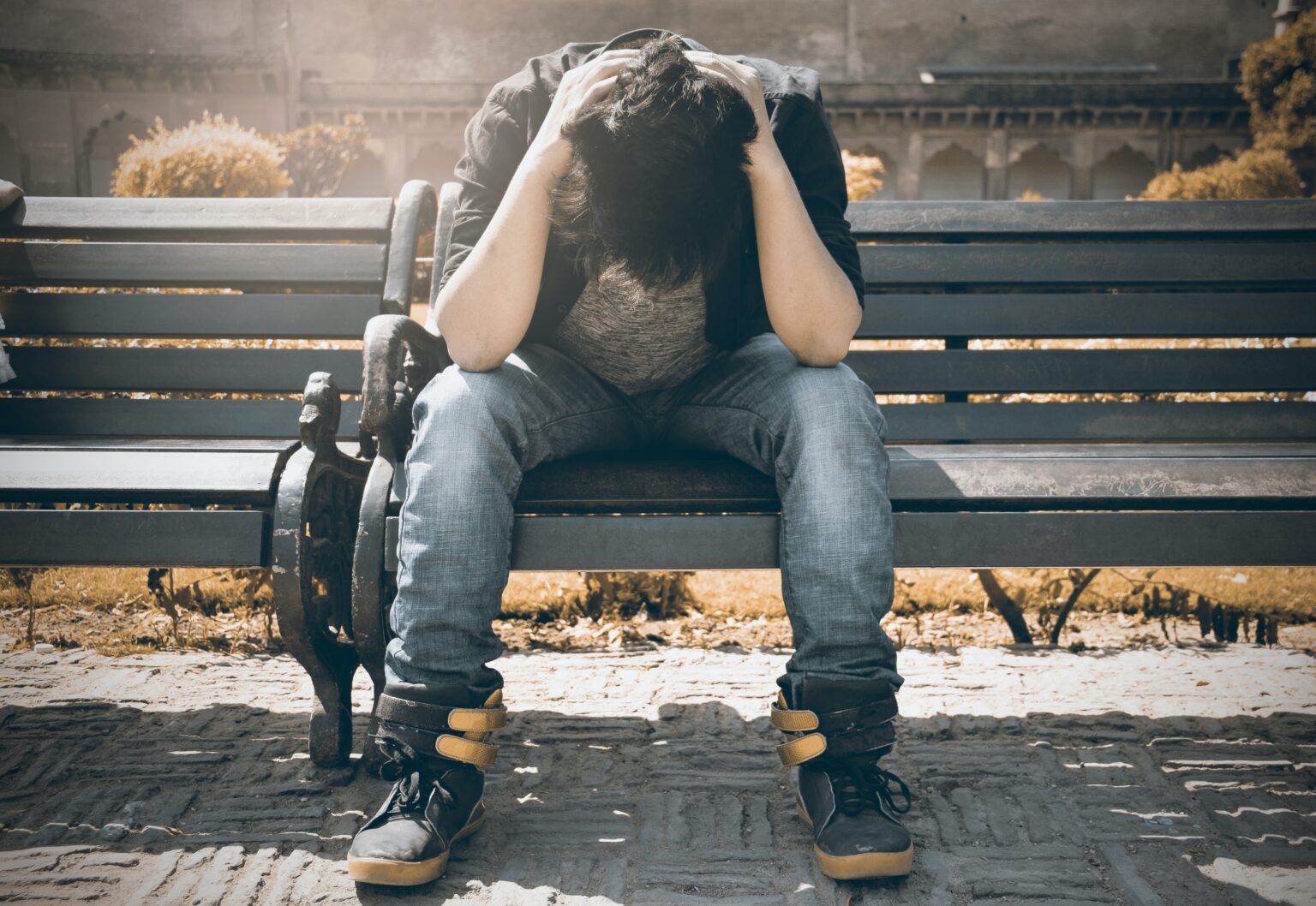

Sadness and depression are two separate emotional states, but they can often be difficult to distinguish from one another. Particularly when the word depression is often used quite casually. While sadness is a normal emotional response to certain events, depression is a serious mental health condition that can have a significant impact on a person’s daily life. In this blog post, we’ll explore the key differences between sadness and depression, and discuss the main signs and symptoms of depression.
One of the main differences between sadness and depression is the duration of the emotional state. Sadness is usually a temporary emotional response to a specific event, such as the loss of a loved one or a relationship ending. The sadness of grief may be very difficult to bear but it tends to come in waves of pain, with periods of feeling relatively ‘normal’ in between. However, depression is a prolonged emotional state that doesn’t lift, doesn’t ease and can last for weeks or even months.
Another key difference between sadness and depression is the severity of the emotional state. Sadness is a normal, healthy emotion that is a natural part of the human experience. However, depression is a much more severe emotional state that can have a significant impact on a person’s daily life. It’s important to note that the sadness of grief may trigger a depressive episode. If the grief lasts for too long, if you experience the loss as traumatic in some way, or if you are predisposed to depressive illness, you may become depressed after experiencing a loss.
The main signs and symptoms of depression include:
- Persistent feelings of sadness, hopelessness, and helplessness
- Irritability, restlessness, or agitation
- Loss of interest in activities that were once enjoyed
- Difficulty sleeping or sleeping too much
- Changes in appetite and weight
- Fatigue and lack of energy
- Difficulty concentrating and making decisions
- Feelings of worthlessness and deep, unwarranted guilt
- Thoughts of suicide or self-harm, or constant thoughts about death
According to the American Psychiatric Association, approximately one in 15 people (7%) are depressed at any given time and approximately one in six people (16.6%) experience depression over a lifetime. If you or someone you know is experiencing these symptoms, it’s important to seek professional help. Depression is a treatable condition, but it requires the right support and management. Research shows that the combination of psychotherapy and medication leads to the best outcomes.
In conclusion, while sadness and depression are two separate emotional states, they can often be difficult to distinguish from one another. However, the key differences between sadness and depression are the duration and severity of the emotional state. If you are experiencing persistent feelings of sadness, hopelessness, and helplessness, it’s important to seek professional help. Intervention is usually better, but even if your depression is severe and chronic, it will improve with proper treatment.
References:
American Psychological Association. (n.d.). Grief. Retrieved January 15, 2023, from https://www.apa.org/topics/grief
American Psychiatric Association. (n.d.). What is depression? Retrieved January 15, 2023, from https://www.psychiatry.org/patients-families/depression/what-is-depression
National Institute of Mental Health. (n.d.). Depression. Retrieved January 15, 2023, from https://www.nimh.nih.gov/health/topics/depression
Karen Anne Hope Andrews is a Clinical Psychologist at the MapleTree Psychotherapy Center LLC. Karen provides psychotherapy and coaching to adults and teens (17+) experiencing a wide range if difficulties including depression and grief and loss.