
Therapists are not separate from the world around them. At MapleTree, our clinicians hold space for clients while living through the same regional tensions and uncertainties.
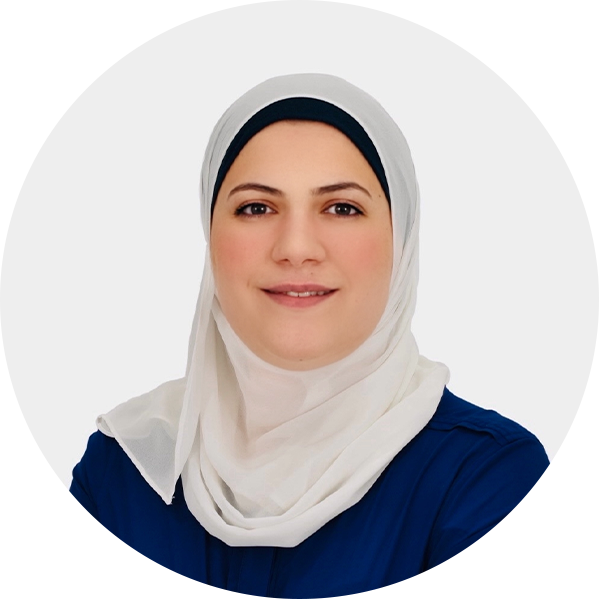
In this reflection, Hanadi Beydoun, one of our therapists, writes about practicing therapy during collective instability. Not from a place of professional distance, but from within the same moment her clients are also navigating. She explores how authenticity and presence sustain the work when both therapist and client are affected by what is unfolding around them.
What does therapy look like when both therapist and patient are navigating the same uncertainty?
Practicing therapy during collective instability, whether political tension, regional crisis, or periods of heightened geopolitical anxiety; changes the atmosphere of the room. The news is no longer distant. Uncertainty is not theoretical. It lives in the body of the therapist as much as in the body of the patient.
As a psychologist practicing in the Middle East, from Lebanon to Dubai, I have experienced how therapy shifts when we are all breathing the same unsettled air.
The Myth of the Unaffected Therapist
The traditional image of the therapist is someone composed, regulated, and steady. In times of crisis, that image becomes more complex.
Therapists are human. We are impacted by the same instability, the same headlines, the same fears. And clients sense this immediately. They are deeply attuned to presence; to tone, pacing, and the subtle movements of our nervous system.
Holding a rigid stance of “I am completely fine” can create distance. It can feel artificial. In trauma-informed and relational psychodynamic therapy, authenticity matters. Presence matters more than performance.
Clinical Responsibility During Collective Trauma
There are days when I can feel that my internal space is stretched or preoccupied. On those days, I may reschedule. Respecting the therapeutic frame sometimes means recognizing limits. Containment requires capacity.
On other days, I may not feel at full capacity, yet I am grounded and steady enough to work. In those sessions, the standard shifts from perfection to sufficiency. Therapy does not require perfection. It requires regulated presence.
Some clients worry about overwhelming the therapist. Others experience the therapist as strong and immovable. Each reaction reflects internal attachment patterns and relational expectations.
The work becomes less about appearing unaffected and more about holding responsibly.
Measured Transparency in Relational Therapy
One of the most powerful shifts I have witnessed is the impact of measured transparency.
Allowing clients to sense that I am human — and still steady — deepens the work. The asymmetry of the therapeutic relationship remains. The responsibility to hold the frame remains. Yet within that structure, there is room for shared humanity.
Two nervous systems existing in the same historical moment. Two people navigating the same uncertainty.
The therapist carries the role, but the aliveness of therapy comes from mutual reality.
When clients experience that their therapist is affected and still present, something changes. Emotional intensity feels more survivable. Vulnerability becomes less frightening. Trust deepens.
Therapy Amid Collective Crisis: Disciplined Presence
Practicing therapy during times of geopolitical instability removes performance. What remains is disciplined presence.
The therapy room becomes a place where thinking continues, even when the world feels fragmented.
Sitting with meaning. Witnessing resilience. Thinking together when clarity feels distant.
The work sustains both therapist and patient.
We are living through the same uncertainty as our clients. And still, we hold.
Reach out to Hanadi.
If you are a therapist or healthcare professional seeking support, explore your options at MapleTree, Dubai.